
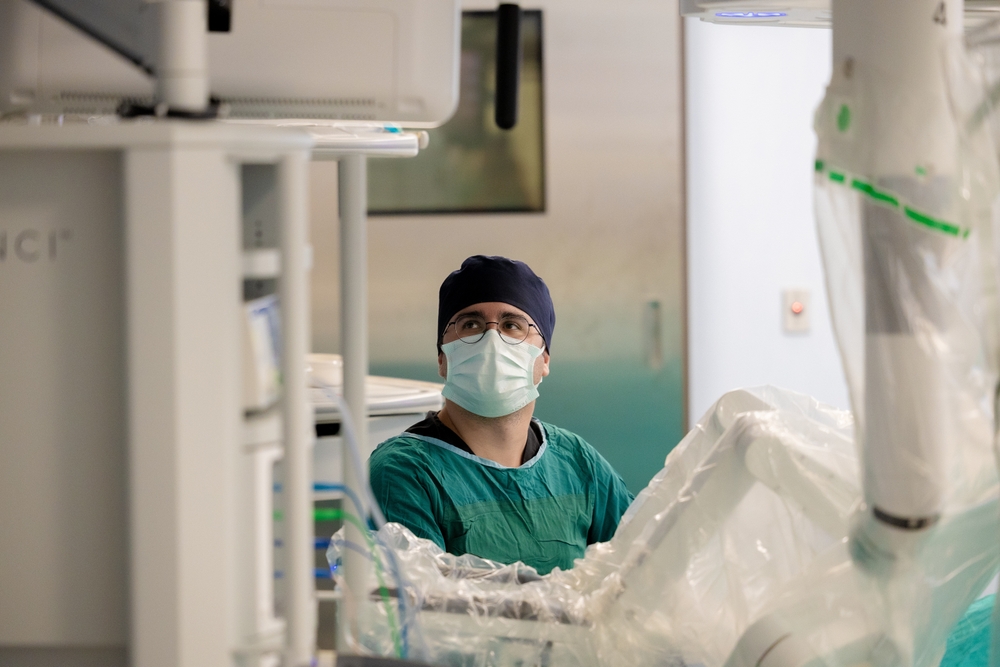
Robotic-assisted surgery has revolutionized the field of urology, offering new possibilities for precision, safety, and patient recovery. At Modern Urologist, with locations in New York, New York, and Forest Hills, New York, multiple providers recognize the importance of understanding the advantages that robotic-assisted techniques bring to urologic procedures. This approach combines advanced technology with surgical expertise, creating opportunities for improved outcomes in complex procedures affecting the kidneys, prostate, bladder, and other urologic structures.
The integration of robotics in urologic surgery represents a shift from traditional open surgeries to minimally invasive approaches. By utilizing robotic systems, surgeons can perform delicate maneuvers with enhanced dexterity and visualization. Understanding these benefits is crucial for patients, caregivers, and the broader medical community as urologic care continues to evolve.
This blog explores the key benefits of robotic-assisted urologic surgery, detailing how it improves surgical precision, patient recovery, and long-term outcomes while highlighting the technological advancements driving these improvements.
Enhanced Precision and Surgical Control
One of the primary advantages of robotic-assisted urologic surgery is the exceptional precision it offers. Robotic systems allow surgeons to manipulate instruments with fine, controlled movements that surpass the capabilities of traditional laparoscopic tools. This enhanced dexterity is particularly valuable in urology, where procedures often involve delicate tissues and critical anatomical structures.
High-definition, 3D visualization is another critical feature of robotic systems. Surgeons gain a magnified, detailed view of the surgical field, allowing for more accurate dissection and suturing. This precision can reduce the risk of accidental damage to surrounding tissues, nerves, or blood vessels, ultimately leading to fewer complications during and after surgery. Robotic control also stabilizes hand movements, minimizing tremors and improving the overall safety of complex procedures.
In addition, robotic technology supports a range of complex urologic surgeries, from prostatectomy to partial nephrectomy. By combining enhanced visualization with superior instrument control, robotic-assisted surgery allows for meticulous execution of procedures that might be challenging using traditional methods. This precision contributes to better functional outcomes and patient satisfaction over time.
Reduced Recovery Time and Postoperative Discomfort
Robotic-assisted urologic surgery often results in smaller incisions compared to open surgery, which directly impacts recovery time and patient comfort. Minimally invasive approaches reduce tissue trauma, leading to less postoperative pain, decreased scarring, and lower risks of infection. Patients can often return to daily activities more quickly and experience a smoother overall recovery process.
Hospital stays are typically shorter following robotic procedures, which also translates to fewer complications related to prolonged immobility or hospital exposure. This reduction in recovery burden not only benefits patients physically but can also improve psychological well-being by allowing a faster return to normal routines and independence.
Additionally, the precise nature of robotic surgery often reduces the need for blood transfusions and lowers the likelihood of postoperative complications. This combination of benefits makes robotic-assisted procedures particularly advantageous for patients who may have underlying health conditions that increase surgical risk or those seeking less invasive alternatives to traditional surgery.
Improved Long-Term Outcomes
Beyond immediate recovery benefits, robotic-assisted urologic surgery may contribute to improved long-term outcomes. Enhanced precision during surgery can help preserve critical structures such as nerves, which is particularly important in procedures like prostatectomy where sexual and urinary function may be affected. Preserving these functions improves quality of life and reduces long-term complications.
Studies have indicated that robotic-assisted techniques can lead to lower rates of postoperative recurrence in certain cancers and better overall functional results. By minimizing tissue damage and optimizing surgical accuracy, robotic surgery supports more predictable outcomes and enhances patient satisfaction over the long term.
Patient monitoring and follow-up care can also benefit from robotic techniques, as minimally invasive approaches often allow for clearer assessment of healing and recovery. This careful balance of short-term recovery advantages with long-term health benefits underscores the transformative role of robotic-assisted surgery in modern urology.
The Transformative Role of Robotic Surgery
Robotic-assisted urologic surgery represents a significant advancement in the field of urology, combining precision, control, and minimally invasive techniques to improve patient outcomes. From enhanced surgical accuracy to reduced recovery time and better long-term results, these procedures illustrate how technology can optimize the safety and effectiveness of urologic care. At Modern Urologist, with providers in New York, New York, and Forest Hills, New York, understanding these benefits is essential for patients and caregivers seeking to make informed decisions about surgical options.
Resources
- Menon, M., Tewari, A., Peabody, J., & Shrivastava, A. (2004). Vattikuti Institute prostatectomy: technique. Journal of Robotic Surgery.
- Patel, V. R., Coelho, R. F., & Chauhan, S. (2011). Robotic-assisted urologic surgery: Current status and future perspectives. Urologic Clinics of North America.
- Gettman, M. T., & Blute, M. L. (2007). Robotic-assisted laparoscopic surgery in urology. Current Opinion in Urology.