
Pelvic health is a critical component of overall well-being, encompassing the muscles, ligaments, and nerves that support the bladder, bowel, and reproductive organs. At Modern Urologist, with locations in New York, New York, and Forest Hills, New York, multiple providers emphasize the importance of awareness and education regarding pelvic health. Maintaining strength and function in this area can prevent a range of issues, from urinary incontinence to chronic pelvic pain, and improve quality of life for both men and women.
Exercise plays a vital role in promoting pelvic health by strengthening the pelvic floor muscles and supporting the structures that maintain urinary, bowel, and sexual function. Many individuals are unaware of how specific movements and exercises can target this area, often assuming that general fitness routines alone are sufficient. By understanding the connection between exercise and pelvic function, individuals can take proactive steps to maintain strength, flexibility, and control.
This blog explores the key ways exercise benefits pelvic health, including strategies to enhance muscle function, prevent dysfunction, and support long-term wellness. It also provides guidance on types of exercises that can be incorporated safely into daily routines for optimal results.
The Role of Pelvic Floor Muscles
The pelvic floor is a group of muscles that form a supportive hammock across the base of the pelvis. These muscles play a critical role in urinary and bowel control, sexual function, and even posture and core stability. Weakness in the pelvic floor can contribute to conditions such as incontinence, pelvic organ prolapse, and chronic pelvic pain. Conversely, strong and well-conditioned pelvic floor muscles provide improved support and functionality.
Exercise helps maintain pelvic floor strength and endurance. Targeted training, often referred to as Kegel exercises, can improve the ability of these muscles to contract and relax effectively. Strengthening these muscles not only addresses dysfunction but can also enhance sexual health, reduce the risk of injury, and support core stability. Additionally, regular exercise can help improve blood flow to the pelvic region, which may aid in tissue repair and reduce inflammation.
The pelvic floor does not work in isolation. It interacts with surrounding muscles, including the abdominals, glutes, and lower back. A holistic approach to exercise that engages the entire core can maximize the benefits for pelvic health, ensuring that all supporting structures function synergistically.
Types of Exercises Beneficial for Pelvic Health
Several forms of exercise can support and improve pelvic health. These exercises range from targeted pelvic floor training to broader activities that enhance core stability and overall strength. Common beneficial exercises include:
- Kegel exercises to strengthen the pelvic floor muscles
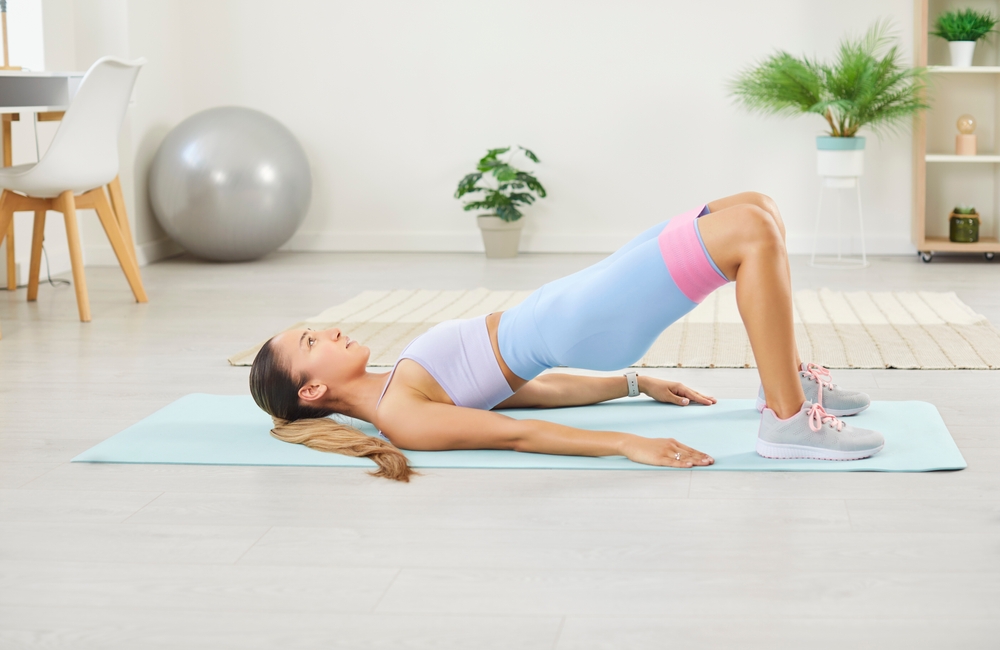
- Core exercises such as planks or bridges to support the pelvis and spine
- Stretching and flexibility exercises to reduce tension in the hips and lower back
- Low-impact aerobic exercises like walking or swimming to enhance circulation and overall muscle tone
Consistency is key when performing these exercises. Gradual progression in intensity and duration allows the pelvic floor to strengthen without causing strain or fatigue. It is also important to combine strengthening exercises with relaxation techniques to prevent over-tightening of the muscles, which can sometimes exacerbate pain or dysfunction.
Exercise and Preventing Pelvic Dysfunction
Regular physical activity not only strengthens muscles but also helps prevent pelvic dysfunction by promoting proper alignment, circulation, and nerve function. A well-conditioned pelvic floor can reduce the risk of urinary leakage, support healthy bladder and bowel habits, and alleviate discomfort associated with chronic pelvic pain. Exercise can also help address contributing factors such as obesity, poor posture, and weak core muscles, which can place additional stress on the pelvic floor.
In addition, exercise has indirect benefits for pelvic health through weight management, improved mood, and reduced inflammation. These systemic advantages help create a supportive environment for pelvic structures, enhancing overall resilience and function. For many individuals, incorporating regular physical activity into daily life is a proactive measure that can significantly reduce the likelihood of developing pelvic health issues over time.
Prioritizing Pelvic Health Through Exercise
Understanding the connection between exercise and pelvic health is essential for long-term well-being. Targeted exercises, core strengthening, and consistent physical activity support muscle function, prevent dysfunction, and enhance overall quality of life. At Modern Urologist, with providers in New York, New York, and Forest Hills, New York, patients are encouraged to prioritize pelvic health as part of a comprehensive approach to physical fitness and wellness. Educating oneself on these practices empowers individuals to maintain strength, flexibility, and function throughout their lives.
Resources
- Bø, K., & Frawley, H. C. (2020). Pelvic floor muscle training for prevention and treatment of pelvic floor disorders. Neurourology and Urodynamics.
- Dumoulin, C., Cacciari, L. P., & Hay-Smith, J. (2018). Pelvic floor muscle training versus no treatment for urinary incontinence in women. Cochrane Database of Systematic Reviews.
- Laycock, J., & Jerwood, D. (2001). Pelvic Floor Muscle Assessment: The PERFECT Scheme. Physiotherapy.