
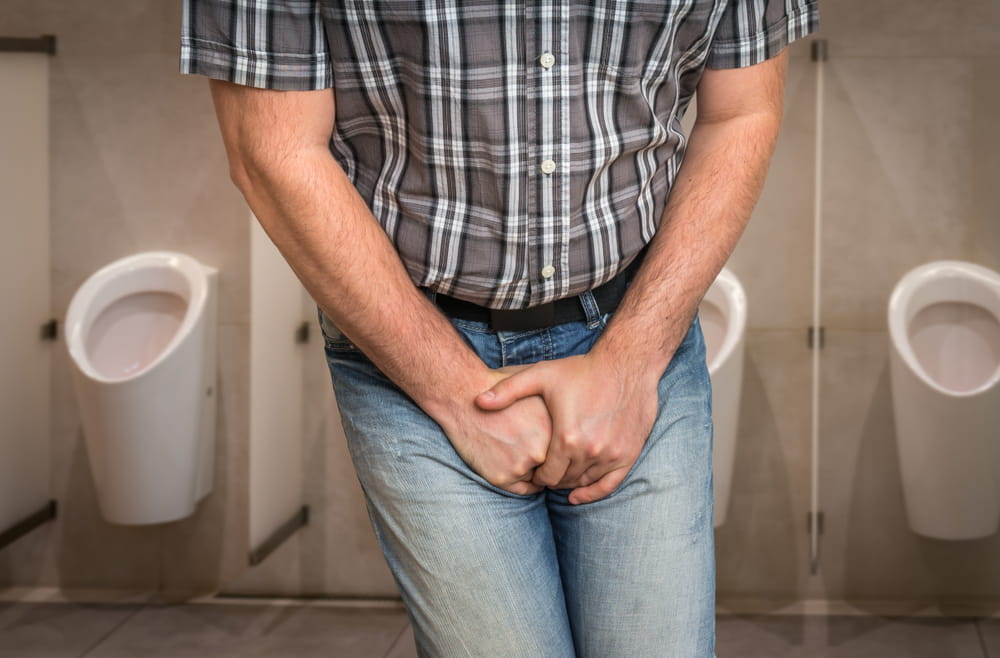
Prostate health is an important part of overall wellness for men, particularly as they age. At Modern Urologist in New York, New York, and Forest Hills, New York, multiple providers often help patients understand how subtle urinary or pelvic changes may be connected to the prostate. Recognizing early symptoms can make a meaningful difference in diagnosis, treatment options, and long-term outcomes. Many prostate conditions develop gradually, and the earliest signs are often easy to overlook or dismiss as a normal part of aging.
Understanding the Prostate and Its Role
The prostate is a small gland located just below the bladder and in front of the rectum. It surrounds the urethra, the tube that carries urine out of the body. The gland plays a key role in producing seminal fluid, which nourishes and transports sperm. Because of its position around the urethra, even minor changes in prostate size or inflammation can affect urinary function.
As men grow older, the prostate commonly enlarges in a condition known as benign prostatic hyperplasia (BPH). While BPH is noncancerous, it can cause bothersome urinary symptoms. Other prostate-related concerns include prostatitis (inflammation of the prostate) and prostate cancer. Understanding how the gland functions makes it easier to recognize when something is not quite right.
Subtle Urinary Changes to Watch For
One of the earliest and most common signs of prostate trouble involves changes in urination. These symptoms may begin gradually and become more noticeable over time. Because they often develop slowly, many men adapt to them rather than seeking evaluation.
Early urinary symptoms may include:
- Frequent urination, especially at night
- Difficulty starting urination
- A weak or interrupted urine stream
- Dribbling at the end of urination
- A feeling that the bladder is not completely empty
These symptoms are frequently associated with BPH, but they can also occur with other prostate conditions. When left unaddressed, urinary obstruction can worsen and lead to bladder strain, urinary retention, or infections. Early evaluation allows for a broader range of treatment options, including minimally invasive procedures such as Rezum or Urolift, which are designed to relieve obstruction caused by an enlarged prostate.
Pelvic Discomfort and Sexual Health Changes
Not all prostate symptoms are limited to urination. Some men experience discomfort in the lower abdomen, pelvis, lower back, or perineal area (the space between the scrotum and rectum). This type of pain may be related to inflammation or infection of the prostate, known as prostatitis. Symptoms may also include painful urination or discomfort during ejaculation.
Changes in sexual function can also signal prostate concerns. Erectile difficulties or reduced ejaculatory force sometimes occur alongside urinary symptoms. While erectile dysfunction has many possible causes, it may overlap with prostate conditions or hormonal imbalances. In some cases, low testosterone levels can contribute to fatigue, decreased libido, and mood changes. Addressing overall urologic health, including hormone levels and sexual function, is an important part of comprehensive care.
When Symptoms May Signal Something More Serious
Although many prostate issues are benign, certain warning signs require prompt medical attention. Blood in the urine or semen, unexplained weight loss, persistent bone pain, or rapidly worsening urinary symptoms should not be ignored. These may indicate more serious conditions, including prostate cancer.
Routine screenings, including prostate-specific antigen (PSA) testing and physical examination, can help detect concerns early, often before symptoms become severe. Early-stage prostate cancer frequently causes no noticeable symptoms, which is why regular checkups are especially important for men over 50 or those with a family history of prostate cancer.
Taking Proactive Steps for Prostate Health
Paying attention to early changes and seeking timely evaluation can prevent complications and expand treatment possibilities. Lifestyle measures such as maintaining a healthy weight, staying physically active, limiting excessive alcohol intake, and eating a balanced diet rich in fruits and vegetables may support prostate health. Staying informed about personal risk factors and discussing symptoms openly with a healthcare provider are equally important.
Modern Urologist in New York, New York, and Forest Hills, New York, encourages men to view prostate health as an ongoing part of preventive care rather than something to address only when symptoms become severe. Recognizing early signs of prostate trouble and responding promptly can lead to more effective management, improved quality of life, and greater peace of mind.
Sources
National Institute on Aging. (2023). Prostate Problems. U.S. Department of Health and Human Services.
American Urological Association. (2022). Benign Prostatic Hyperplasia (BPH) Guideline.
Centers for Disease Control and Prevention. (2023). Prostate Cancer Basics.