
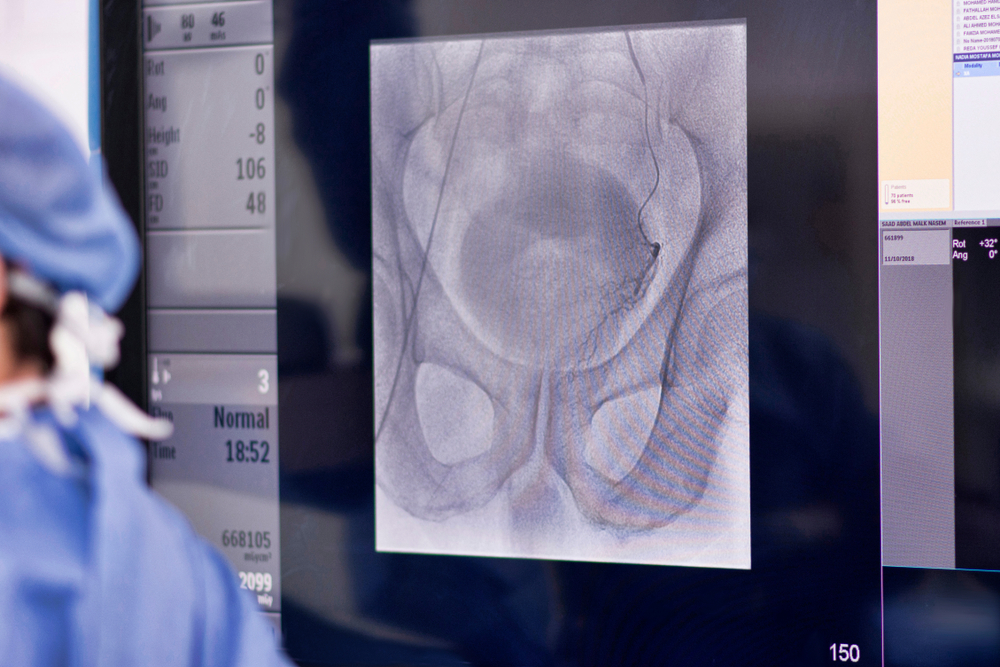
Advancements in prostate imaging have revolutionized the way physicians detect and evaluate prostate abnormalities. One such advancement, MRI fusion biopsy, has become an important tool in modern urology. Patients in New York, New York, and Forest Hills, New York, can benefit from understanding how this technology works, what it offers, and how it differs from traditional biopsy methods. At Modern Urologist, we aim to provide comprehensive educational resources about these innovations to help individuals make informed decisions about their prostate health.
Understanding MRI Fusion Biopsy
MRI fusion biopsy is a procedure that combines magnetic resonance imaging (MRI) with real-time ultrasound to precisely target areas of concern within the prostate. Traditional prostate biopsies rely on systematic sampling, which can sometimes miss clinically significant cancer. By using MRI to highlight suspicious regions, physicians can guide the biopsy needle more accurately, improving the likelihood of detecting tumors that may require treatment.
The fusion process involves overlaying high-resolution MRI images onto real-time ultrasound, creating a detailed map of the prostate. This method allows doctors to focus on specific areas rather than taking random samples, which can reduce the number of unnecessary biopsies and improve diagnostic accuracy. In addition, MRI fusion biopsy provides detailed information about the size, location, and potential aggressiveness of detected lesions, helping clinicians develop more personalized care plans.
Advantages Over Traditional Biopsy
MRI fusion biopsy offers several benefits compared to conventional approaches. One of the primary advantages is its ability to detect clinically significant prostate cancer while minimizing the detection of low-risk cancers that may not require immediate intervention. This targeted approach can reduce overdiagnosis and overtreatment, which have been concerns with systematic biopsies.
Another advantage is the potential reduction in repeat biopsies. Since the MRI highlights areas that are most likely to be concerning, the procedure can provide a more comprehensive assessment during a single session. Additionally, MRI fusion biopsy may help in evaluating patients who have previously had negative biopsies but continue to have elevated prostate-specific antigen (PSA) levels, allowing for more precise identification of hidden tumors.
What to Expect During the Procedure
MRI fusion biopsy is generally performed in a clinical setting under local anesthesia or light sedation. Before the procedure, patients typically undergo an MRI scan of the prostate to identify suspicious regions. During the biopsy, ultrasound imaging is used in combination with the MRI data to guide the biopsy needle with precision. Multiple samples may be taken from areas of interest, but the approach is more targeted than traditional systematic sampling.
The procedure usually takes less than an hour, and patients can often resume normal activities shortly afterward. Some discomfort, minor bleeding, or temporary urinary symptoms may occur, which are common and typically resolve quickly. Patients are encouraged to report any persistent issues to their healthcare providers to ensure proper management and recovery.
Key Considerations for MRI Fusion Biopsy
- MRI fusion biopsy improves accuracy in detecting clinically significant prostate cancer
- Targeted approach reduces unnecessary sampling and overdiagnosis
- Can assist in evaluating patients with prior negative biopsies but elevated PSA
- Generally performed with local anesthesia or sedation and minimal downtime
- Provides detailed information about tumor location and characteristics
Conclusion
MRI fusion biopsy represents a significant advancement in prostate evaluation, offering more precise and personalized diagnostic capabilities compared to traditional methods. Understanding this technology allows patients to make informed decisions about their prostate health. Residents of New York, New York, and Forest Hills, New York, can rely on resources like Modern Urologist to learn about innovations in urology and the potential benefits of emerging procedures for prostate care.
Resources
- Ahmed, H. U., et al. (2017). MRI-targeted or standard biopsy for prostate-cancer diagnosis. New England Journal of Medicine.
- Siddiqui, M. M., et al. (2015). Comparison of MR/Ultrasound fusion-guided biopsy with ultrasound-guided biopsy for prostate cancer detection. Journal of the American Medical Association.
- Kasivisvanathan, V., et al. (2018). MRI-targeted vs standard biopsy in prostate cancer. New England Journal of Medicine.