
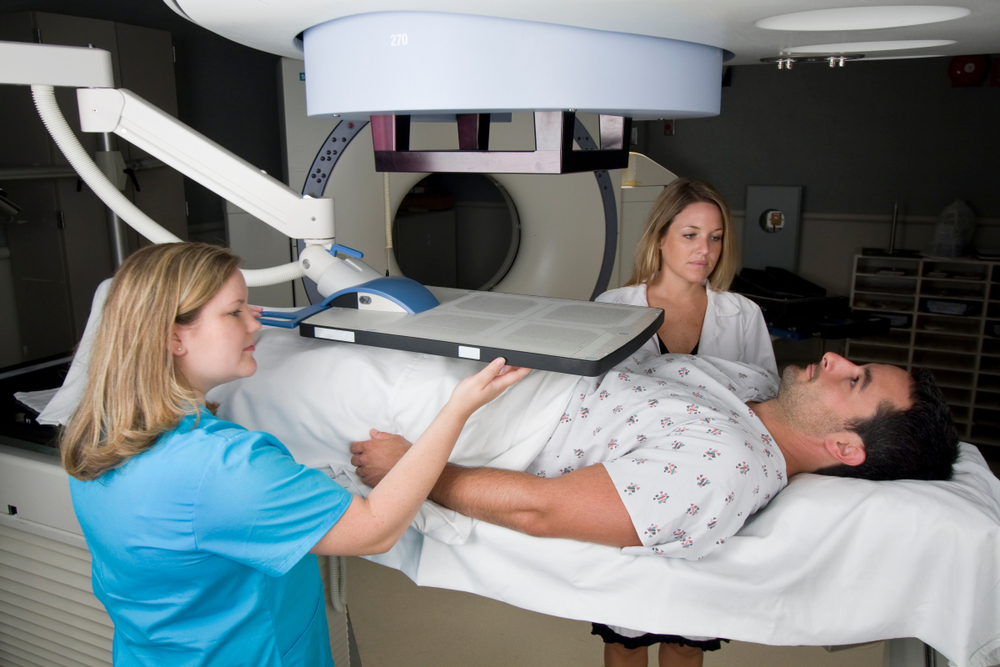
Pelvic radiation is a common treatment for cancers affecting the pelvic region, including prostate, bladder, and rectal cancers. While it can be an effective therapeutic tool, it can also have significant effects on urinary and sexual function. Patients in New York, New York, and Forest Hills, New York, often seek guidance on what to expect before, during, and after treatment. At Modern Urologist, our goal is to provide thorough educational resources so individuals can better understand the potential impact of pelvic radiation on their overall urologic health.
Urinary Side Effects of Pelvic Radiation
Radiation therapy targeting the pelvic region can directly affect the bladder, urethra, and surrounding tissues. One of the most common urinary side effects is radiation cystitis, which occurs when the bladder lining becomes inflamed due to radiation exposure. This can lead to symptoms such as frequent urination, urgency, pain during urination, and, in some cases, blood in the urine. These changes can be temporary or, in some instances, persist long after treatment concludes.
Another urinary complication is urethral narrowing, or stricture, which can develop when the urethral tissues scar after radiation exposure. Strictures may cause difficulty initiating urination, a weak urine stream, or incomplete bladder emptying. Additionally, the surrounding pelvic muscles and nerves may be affected, which can contribute to urinary incontinence or leakage. While some patients experience mild symptoms, others may face more significant disruptions to daily life, making early recognition and management crucial.
Long-term monitoring is essential, as urinary side effects can sometimes emerge months or even years after radiation therapy. Regular check-ups can help identify and address changes in bladder function early, improving quality of life for patients.
Sexual Side Effects of Pelvic Radiation
Pelvic radiation can also affect sexual function, primarily through its impact on the nerves, blood vessels, and tissues involved in sexual response. For men, erectile dysfunction (ED) is a common complication due to radiation-induced damage to the penile nerves or the blood supply necessary for erections. This may develop gradually over months after treatment and can vary in severity depending on the radiation dose and individual health factors.
Women may experience changes in vaginal health and sexual function after pelvic radiation. Vaginal dryness, reduced elasticity, and tissue thinning are common effects, which can cause discomfort or pain during sexual activity. These changes can also increase susceptibility to infections and irritation. Hormonal changes resulting from radiation can further impact libido and sexual desire, adding another layer of complexity to post-treatment sexual health.
Supportive therapies, including pelvic floor exercises, lubrication, and medical interventions, may help manage these side effects. While radiation can have a profound impact, understanding potential outcomes ahead of time allows patients to plan strategies to maintain sexual health and intimacy after treatment.
Managing and Monitoring Side Effects
Effective management of urinary and sexual side effects begins with awareness and timely intervention. Patients undergoing pelvic radiation are encouraged to report any new or persistent urinary symptoms to their healthcare providers promptly. In some cases, medications, minimally invasive procedures, or lifestyle adjustments can help mitigate discomfort and restore function.
Preventive strategies may also include pelvic floor therapy to strengthen the muscles involved in bladder control and sexual function. Additionally, staying hydrated, maintaining a balanced diet, and avoiding irritants such as caffeine and alcohol can reduce bladder irritation. Regular follow-up appointments allow healthcare providers to track changes, adjust treatment plans, and offer referrals to specialists when needed.
Common Strategies for Symptom Management
- Pelvic floor exercises to improve bladder control
- Use of lubricants and moisturizers to address vaginal dryness
- Medications for urinary urgency or incontinence
- Erectile dysfunction treatments, including oral medications or devices
- Lifestyle adjustments, such as dietary modifications and hydration
Proactive care and monitoring are essential to minimize the long-term impact of pelvic radiation on daily life.
Conclusion
Understanding how pelvic radiation can affect urinary and sexual function is crucial for patients navigating cancer treatment. While the effects can vary, being informed allows individuals to take proactive steps to manage symptoms and maintain quality of life. Residents of New York, New York, and Forest Hills, New York, can rely on resources like Modern Urologist for educational guidance and support throughout the process. Awareness and timely intervention are key to addressing these challenges and promoting long-term urologic health.
Resources
- Dearnaley, D., Syndikus, I., & Graham, J. (2012). Radiotherapy for Prostate Cancer: Long-Term Side Effects. Lancet Oncology.
- Miles, B., & Johnson, R. (2013). Sexual Dysfunction After Pelvic Radiation. Journal of Sexual Medicine.
- Henson, B., & Denham, J. (2010). Urinary Complications of Pelvic Radiation Therapy. Urology Clinics of North America.